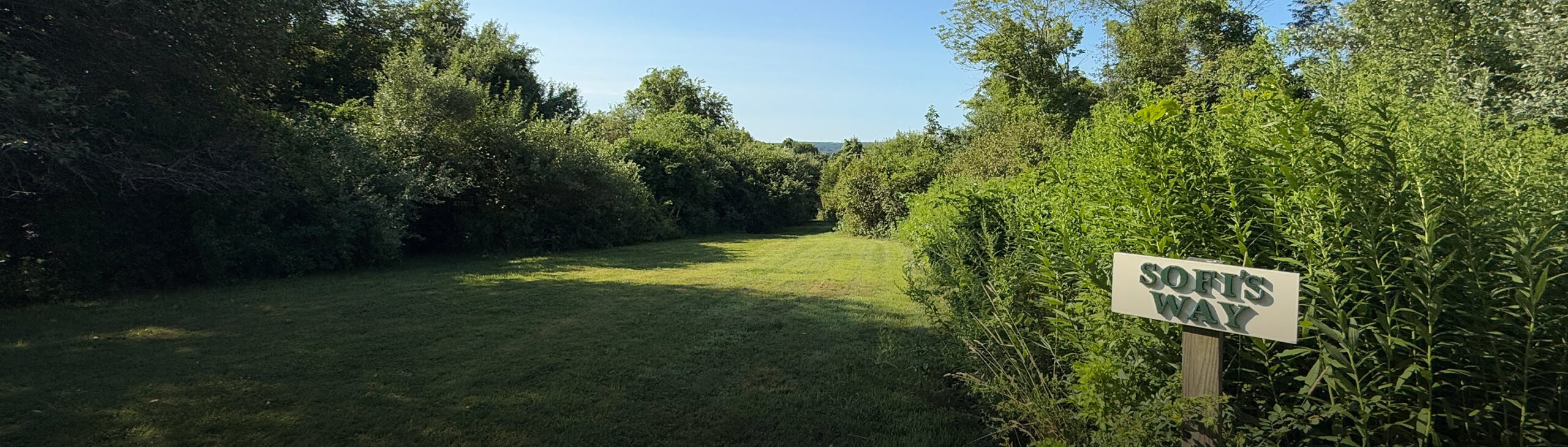
What is Stewardship?
With Ownership Comes Responsibility
Caring for our land is truly our nature. Ongoing stewardship of our sanctuaries has been entrusted to us by our donors, our members, and future generations. We are honored to carry out their wishes by regularly monitoring our lands, restoring habitat, and maintaining our trails.
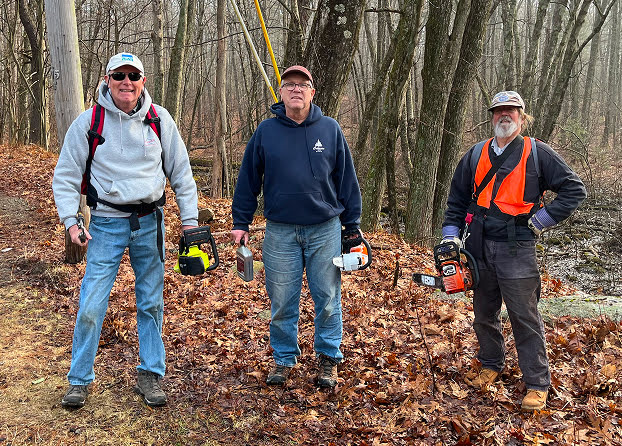
Our volunteer stewards play a vital role in this work. They monitor trails, habitats, and structures across our sanctuaries, identifying and addressing areas that need care and attention. We are deeply grateful to our volunteer stewards for helping keep our lands beautiful, welcoming, and peaceful.
Our stewardship activities include:
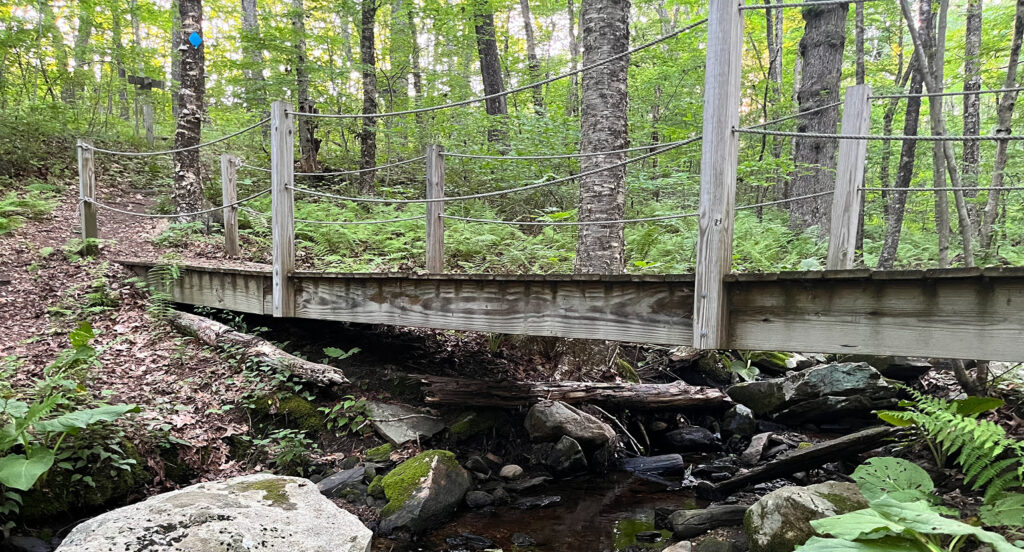
Trail Creation and Maintenance
DCLT currently maintains miles of trails. We have identified and cleared paths allowing for a diversity of hiking experiences, ranging from an easy woodland stroll to a lengthier, more challenging scramble over rock. We routinely patrol our trails to identify and clear tree blow-downs and the encroachment of shrubs and saplings, fix erosion issues, and install and maintain signage, board walks, bridges, and parking areas.
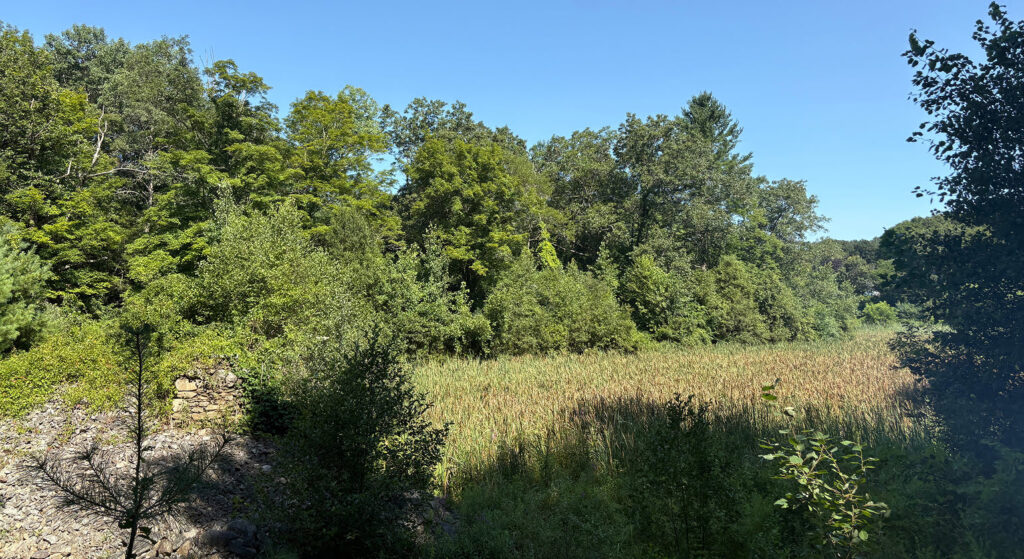
Habitat Restoration
While the DCLT conserved lands now are largely densely-forested woodlands, this was not the case historically — less than a century ago, much of central Massachusetts consisted of farmland. Farmers cleared forests, built structures, filled wetlands, and dammed streams to create ponds. Some of these changes significantly altered the lands. In some instances, DCLT is able to return these altered lands to a more natural, pre-development state.
Wieloch Woods Restoration
Read about how the pond at Wieloch Woods was returned to a natural wetland habitat through dam removal.
https://www.telegram.com/story/news/local/south-west/2015/06/12/open-space-forever/34295027007/
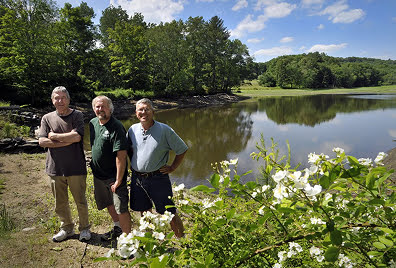
Invasive Plant Management
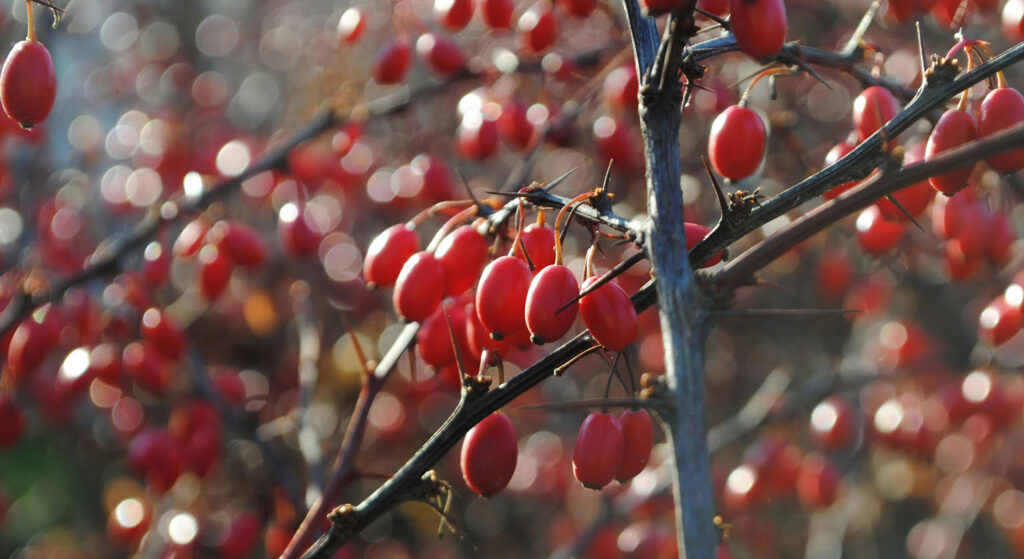
Non-native, invasive plants have overtaken large portions of the swamps and woodlands in many of our sanctuaries, smothering out much of the understory. Invasive plant removal is a critical component of our stewardship. At Wieloch Woods and other sites, DCLT removed bittersweet, multiflora rose, burning bush and barberry. Removal of invasive species allows native species to reestablish, increases plant diversity, and provides greater habitat value for birds and other wildlife. While our removal efforts were successful, routine surveillance and maintenance of invasive species will be required to maintain habitat. Learn more about invasive plants and their management:
- https://www.mass.gov/info-details/invasive-plants
- https://www.massaudubon.org/nature-wildlife/invasive-plants-in-massachusetts
Trash and Debris Removal
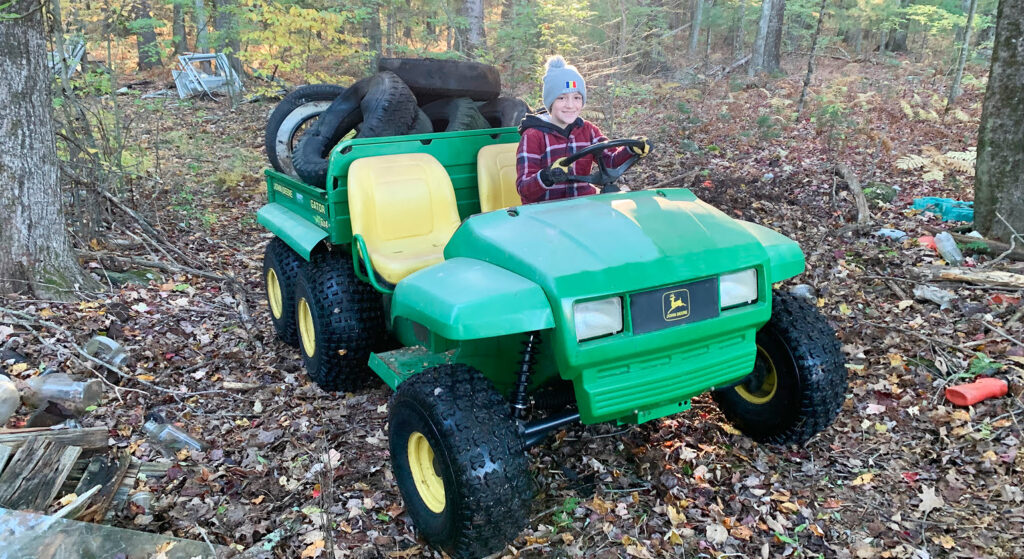
Throwing out trash in the “back 40” was common practice before we had town landfills and trash removal services. Coming across an old waste pile in the middle of the woods is not uncommon in formerly developed lands. Sometimes we find a new waste pile, when people illegally dump trash on our lands (please don’t do this!). DCLT finds and removes debris such as old vehicles, tires, household goods, appliances, etc. Once complete, these lands can be restored and managed to promote a healthier (and cleaner) habitat.

You Can Help!